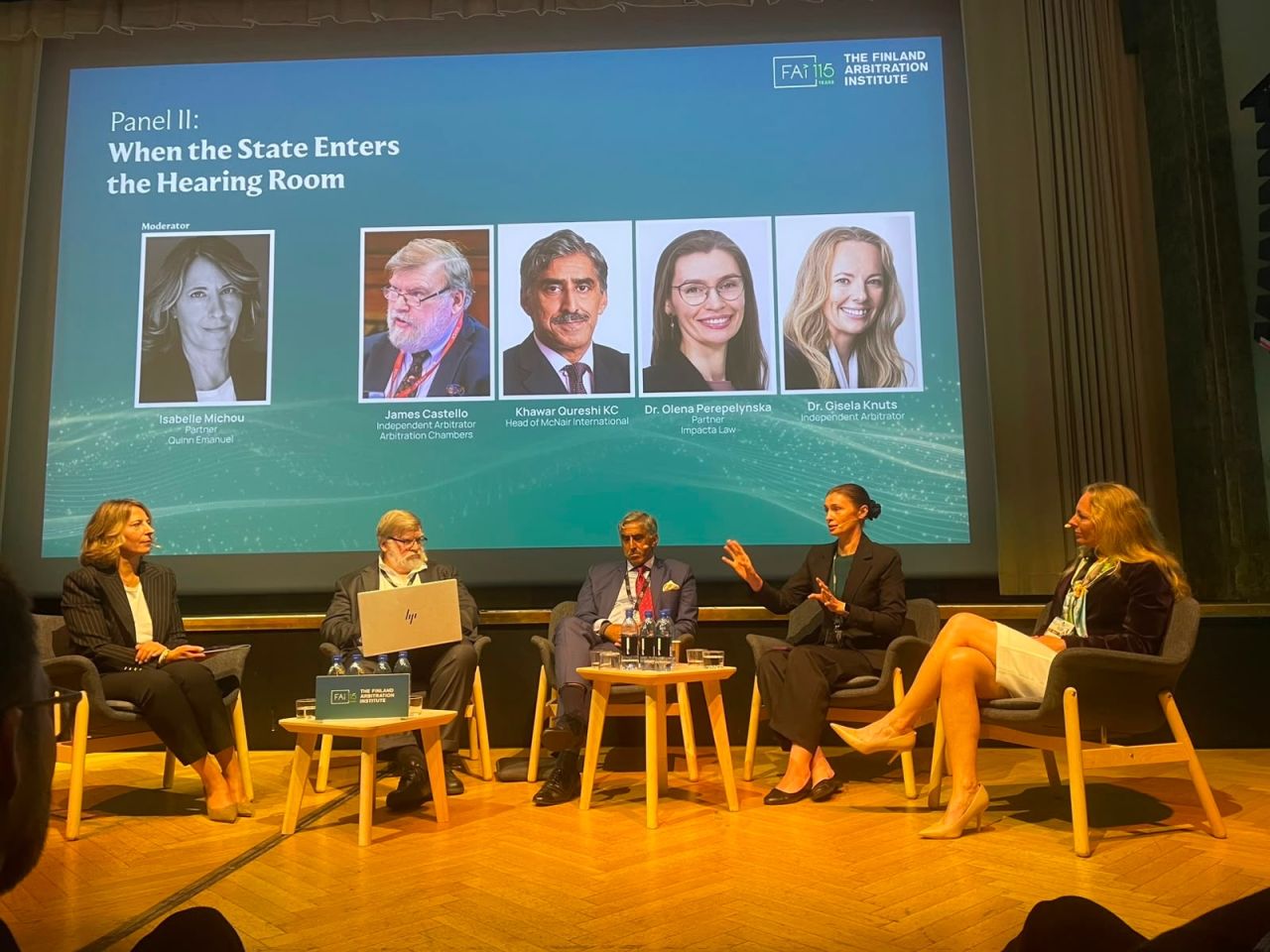
FAI 115th Anniversary Conference in Helsinki
𝗗𝗼 𝘄𝗲 𝘄𝗮𝗻𝘁 𝗶𝗻𝗱𝗲𝗽𝗲𝗻𝗱𝗲𝗻𝘁 𝗮𝗻𝗱 𝗶𝗺𝗽𝗮𝗿𝘁𝗶𝗮𝗹 𝗮𝗿𝗯𝗶𝘁𝗿𝗮𝘁𝗼𝗿𝘀 – 𝗼𝗿 “𝗳𝗿𝗶𝗲𝗻𝗱𝗹𝘆” 𝗼𝗻𝗲𝘀?
One issue from our discussion at the FAI 115th Anniversary Conference in Helsinki deserves a broader conversation.
Russia formally classifies States as “friendly” and “unfriendly”. International arbitration does not. Yet I am concerned that this distinction is finding its way into arbitration through the back door.
We have seen challenges against arbitrators based on their nationality or expressions of support for Ukraine – statements, signatures, publications or even social media activity.
Another development is troubling.
In disputes involving Russian parties – State or private – considerations of whether candidates come from States Russia regards as “friendly” or “unfriendly” are finding their way into institutional appointments of sole arbitrators and tribunal presidents.
𝗔𝗿𝗲 𝘄𝗲 𝗹𝗼𝗼𝗸𝗶𝗻𝗴 𝗳𝗼𝗿 𝗮𝗻 𝗶𝗻𝗱𝗲𝗽𝗲𝗻𝗱𝗲𝗻𝘁 𝗮𝗻𝗱 𝗶𝗺𝗽𝗮𝗿𝘁𝗶𝗮𝗹 𝗮𝗿𝗯𝗶𝘁𝗿𝗮𝘁𝗼𝗿 – 𝗼𝗿 𝗼𝗻𝗲 𝗲𝘅𝗽𝗲𝗰𝘁𝗲𝗱 𝘁𝗼 𝗯𝗲 “𝗳𝗿𝗶𝗲𝗻𝗱𝗹𝘆”?
An arbitrator does not represent the State of their nationality and should not be presumed to share its foreign policy. Equally, acknowledging Russia’s aggression against Ukraine should not in itself be evidence of bias. The UN General Assembly has expressly characterised it as aggression in violation of Article 2(4) of the UN Charter.
There may be a pragmatic explanation. Russian courts have relied on connections with “unfriendly” States to refuse enforcement. Institutions may therefore seek to reduce challenge or enforcement risks.
But there are 𝘁𝘄𝗼 𝗽𝗮𝗿𝘁𝗶𝗲𝘀 to an arbitration.
Why should the geopolitical classification adopted by the home State of one party influence the constitution of the tribunal? Why should the other party accept a tribunal constituted with a view to accommodating the first party’s concept of “friendliness”?
In Helsinki I put it more bluntly: 𝗮𝗿𝗯𝗶𝘁𝗿𝗮𝗹 𝗶𝗻𝘀𝘁𝗶𝘁𝘂𝘁𝗶𝗼𝗻𝘀 𝘀𝗵𝗼𝘂𝗹𝗱 𝗻𝗼𝘁 𝘁𝗿𝘆 𝘁𝗼 𝗽𝗹𝗲𝗮𝘀𝗲 𝗥𝘂𝘀𝘀𝗶𝗮𝗻 𝗽𝗮𝗿𝘁𝗶𝗲𝘀 𝗯𝘆 𝗮𝗰𝗰𝗼𝗺𝗺𝗼𝗱𝗮𝘁𝗶𝗻𝗴 𝗱𝗲𝗺𝗮𝗻𝗱𝘀 𝗳𝗼𝗿 “𝗳𝗿𝗶𝗲𝗻𝗱𝗹𝘆” 𝗮𝗿𝗯𝗶𝘁𝗿𝗮𝘁𝗼𝗿𝘀.
Russian parties are entitled to the same procedural protections as everyone else: due process and independent and impartial arbitrators.
But they are not entitled to preferential treatment – or to “friendly” arbitrators.
This goes far beyond Russia.
If geopolitical “friendliness” becomes an acceptable consideration in selecting arbitrators, what happens in the next war, sanctions regime or geopolitical conflict?
We risk replacing a system based on qualifications, independence and impartiality with one divided into “friendly” and “unfriendly” arbitrators.
𝗧𝗵𝗲 𝗮𝗻𝘀𝘄𝗲𝗿 𝘁𝗼 𝗮𝗻 “𝘂𝗻𝗳𝗿𝗶𝗲𝗻𝗱𝗹𝘆” 𝗮𝗿𝗯𝗶𝘁𝗿𝗮𝘁𝗼𝗿 𝗶𝘀 𝗻𝗼𝘁 𝗮 “𝗳𝗿𝗶𝗲𝗻𝗱𝗹𝘆” 𝗼𝗻𝗲. 𝗜𝘁 𝗶𝘀 𝗮𝗻 𝗶𝗻𝗱𝗲𝗽𝗲𝗻𝗱𝗲𝗻𝘁 𝗮𝗻𝗱 𝗶𝗺𝗽𝗮𝗿𝘁𝗶𝗮𝗹 𝗼𝗻𝗲.